LASIK, or Laser-Assisted In Situ Keratomileusis, is a vision correction surgery designed to help patients with mild to moderate refractive errors see clearly again without the use of glasses or contacts.
Thomas Eye Group offers Atlanta’s most precise, advanced NASA-approved bladeless LASIK technology. Our team of compassionate doctors work with our patients to understand their unique needs and have performed more than 25,000 LASIK vision correction procedures.
The LASIK procedure uses a laser to reshape the curvature of the cornea and correct refractive errors so that normal, clear sight is obtained. LASIK can correct refractive errors, including:
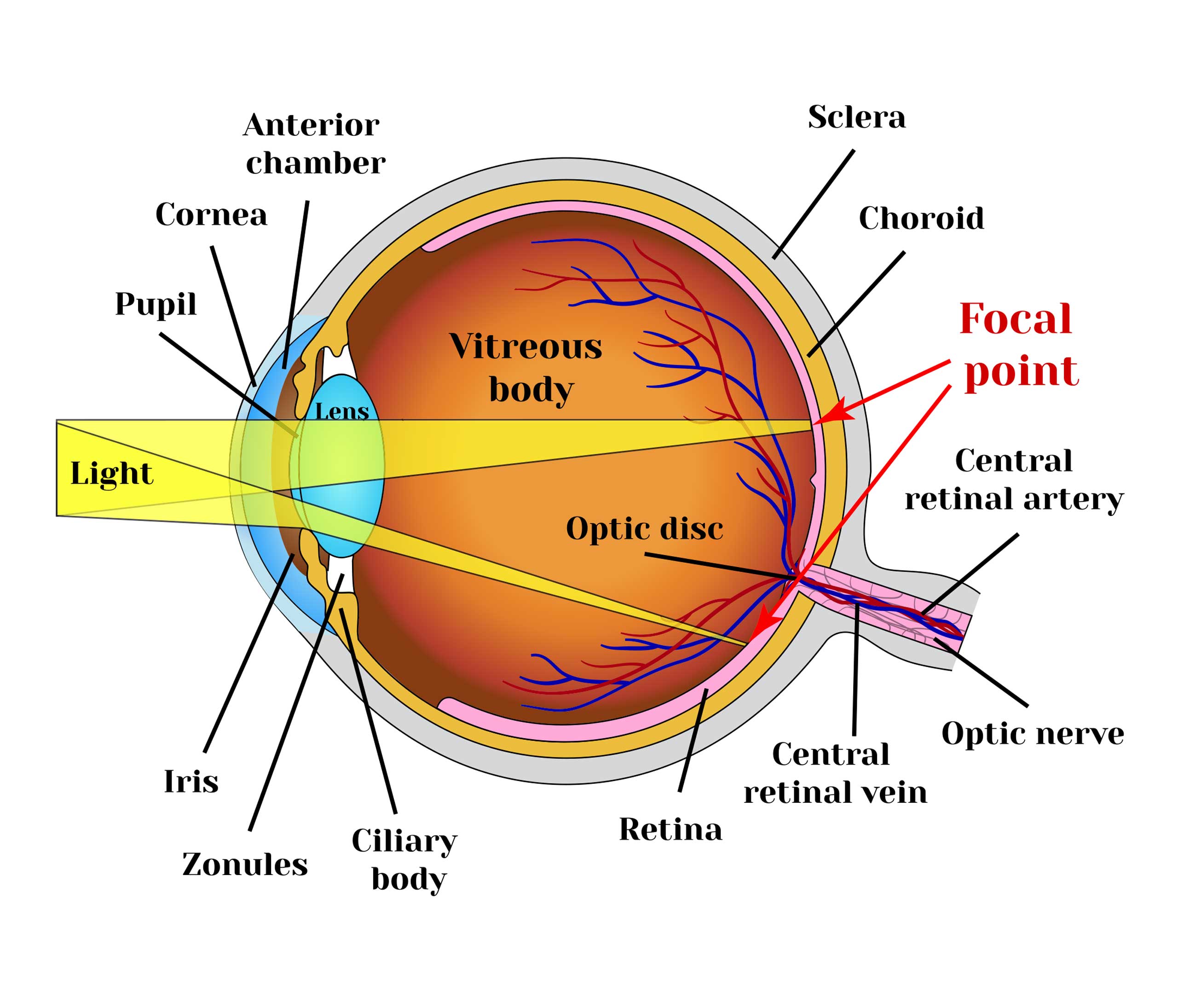
Astigmatism is the inability to focus clearly at any distance due to an irregular or misshapen cornea. With astigmatism, light rays focus at different points on the retina causing images to overlap and blur vision. Our Atlanta LASIK procedures correct these irregularities and achieve clear vision.
Farsighted people see distant objects better, but objects midway and close up are blurred. In farsightedness, the shape of the cornea is too flat or the eye is too short. This causes light rays to focus behind the retina. Our Atlanta LASIK specialists correct this condition by shaping the outer area of the cornea so that it focuses on images correctly.
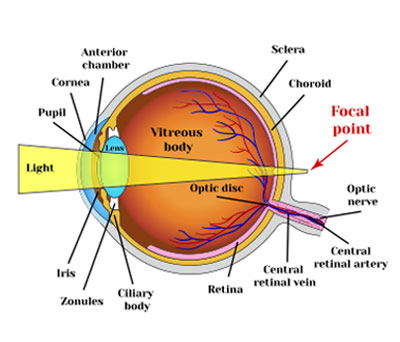
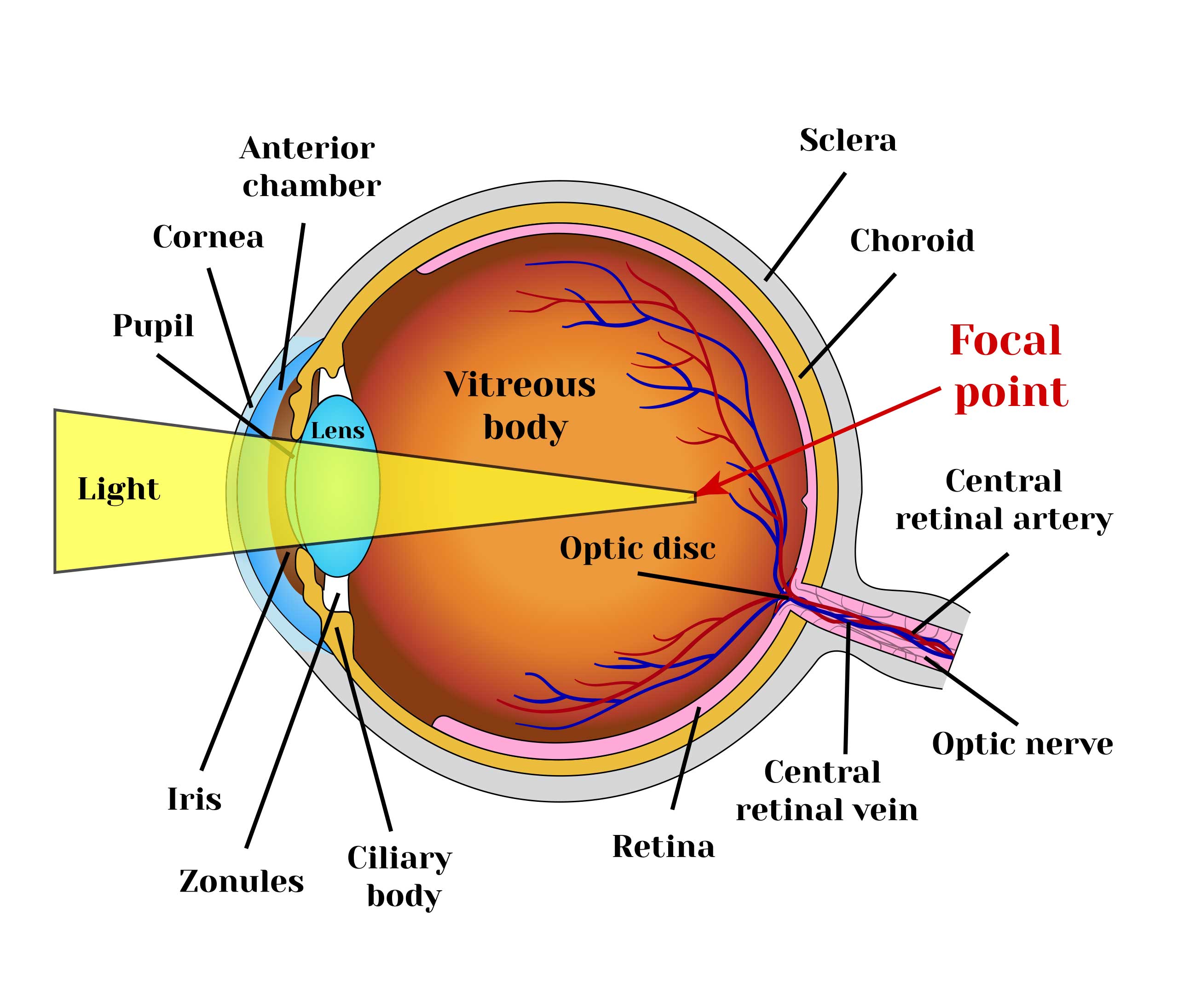
Nearsighted people see close objects clearly, but not distant objects. In nearsightedness, the curve of the cornea is too steep or the eye itself is somewhat elongated. This results in images being focused in front of the retina. Our LASIK procedures correct this condition by flattening the curvature of the cornea so that images are focused exactly on the retina.
The procedure begins by placing a numbing drop into the eyes to ensure a pain-free experience. Afterwards, a small incision is made to create a corneal flap. This flap provides the laser easier access to the inner workings of the eye and will heal on its own in time. This flap can either be created by hand with a blade or with a laser (referred to as bladeless LASIK). At Thomas Eye Group our surgeons use a bladeless LASIK technique.
With the corneal flap created, it is peeled back on a hinge to allow an excimer laser access to the inner corneal tissue of the eye. This laser reshapes the inner corneal tissue allowing the eye to focus light to the optic nerve more effectively, minimizing refractive errors. Once the excimer laser is done reshaping the cornea, the flap is put back in place to allow it to heal. The entire process only takes 10-15 minutes per eye and most patients are able to return to work the next day.
LASIK surgery costs vary depending on the surgeon, technology used, and whether the procedure is bladeless. On average, LASIK eye surgery in Atlanta ranges from $2,000 to $3,000 per eye. Your LASIK consultation will include a personalized quote.
Thomas Eye Group offers a several LASIK packages along with special financing options for patients to choose from. For more information regarding pricing, please call us at 855.ATL.LASIK, email us at lasik@thomaseye.com or visit the LASIK eye surgery cost page.

LASIK is regarded as one of the safest of all medical procedures. More than 20,000,000 Americans have already had LASIK, and the number is steadily increasing. Experienced LASIK surgeons report a lower than 1% complication rate, and these complications have always been confined to quality of vision issues, not loss of vision. The surest guarantee of the best outcome possible is choosing an experienced surgeon.
By choosing LASIK with the right doctor with the most advanced technology, most patients between the ages of 18-40 will not need prescription glasses. Between the ages of 40-50, a patient will likely begin needing reading glasses whether they have had LASIK or not, due to the reduced flexibility of their eyes’ internal lenses. This condition is called presbyopia and can be effectively handled through a special LASIK technique known as monovision, which has given thousands the ability to see both close-up and far away.
If you use reading glasses and are considering LASIK, ask your LASIK surgeon if monovision is right for you.
Most people over age 18 who suffer from nearsightedness, farsightedness, or astigmatism can be helped with LASIK, but a thorough eye exam is the only way to determine if LASIK can achieve your expectations. The exam should include full corneal mapping (topography), Wavefront diagnostic technology, corneal thickness measurement, tear film evaluation and measurement of your pupil size to ensure that LASIK is right for you.
Your doctor will discuss your goals and expectations as well as the risks and benefits of the procedure. You should feel comfortable with your doctor’s assessment of your anticipated outcome before proceeding.
In some cases, a patient may not qualify for LASIK due to complications such as thin corneas or a pre-existing condition. Fortunately, there are more vision correction options available to Thomas Eye Group patients such as PRK and ICL that you may qualify for even if you are not an ideal LASIK candidate.
No. Procedures such as PRK and LASIK are forms of laser vision correction because they utilize a laser to reshape the cornea. The primary difference is in how the cornea’s surface is prepared for the reshaping procedure. LASIK is the fastest and most comfortable of these procedures when performed by highly skilled surgeons using the most advanced equipment.
Many discount centers want you to believe that all LASIK is the same and that the surgeon’s involvement throughout the process, the laser technology, diagnostic technology, and follow-up care don’t matter. You should make your decision to have laser vision correction carefully, based on the surgeon’s track record and technology – not who’s offering the best “deal.” Many patients come to Thomas Eye Group after experiencing poor results from discount LASIK centers.
Sometimes patients worry that they will affect the surgery by nervous or uncontrollable twitches or jumps of their eyes, called saccadic eye movements. Thomas Eye Group’s LASIK utilizes a high-speed eye-tracking system with a response time of milliseconds – much faster than your eye can move. This eye tracker completely neutralizes these eye movements to assure quality treatment and increased patient safety.
The decision to have one eye done or both eyes done consecutively is a decision for the doctor and the patient. If you wear contacts, you can continue wearing the contact in the untreated eye until your doctor instructs you to discontinue its use to prepare for surgery on the second eye. If you wear glasses, you can have one lens without any correction put into them until you have the second eye corrected.
A comprehensive eye evaluation is required prior to the LASIK surgery procedure. If you wear contacts, you should remove them prior to your pre-operative evaluation (3 weeks plus an additional week per decade of wear for hard or gas permeable lenses or 2 weeks for soft lenses) and the procedure. Your eyes may take a few days to adjust to clear vision, and this is completely normal. After the procedure, you will need to have someone drive you home. You will need to see your doctor the next day, and you will need a driver for this office visit as well. You should be able to resume driving in a few days. You will be required to visit your doctor post-operatively at designated intervals for the first year.